




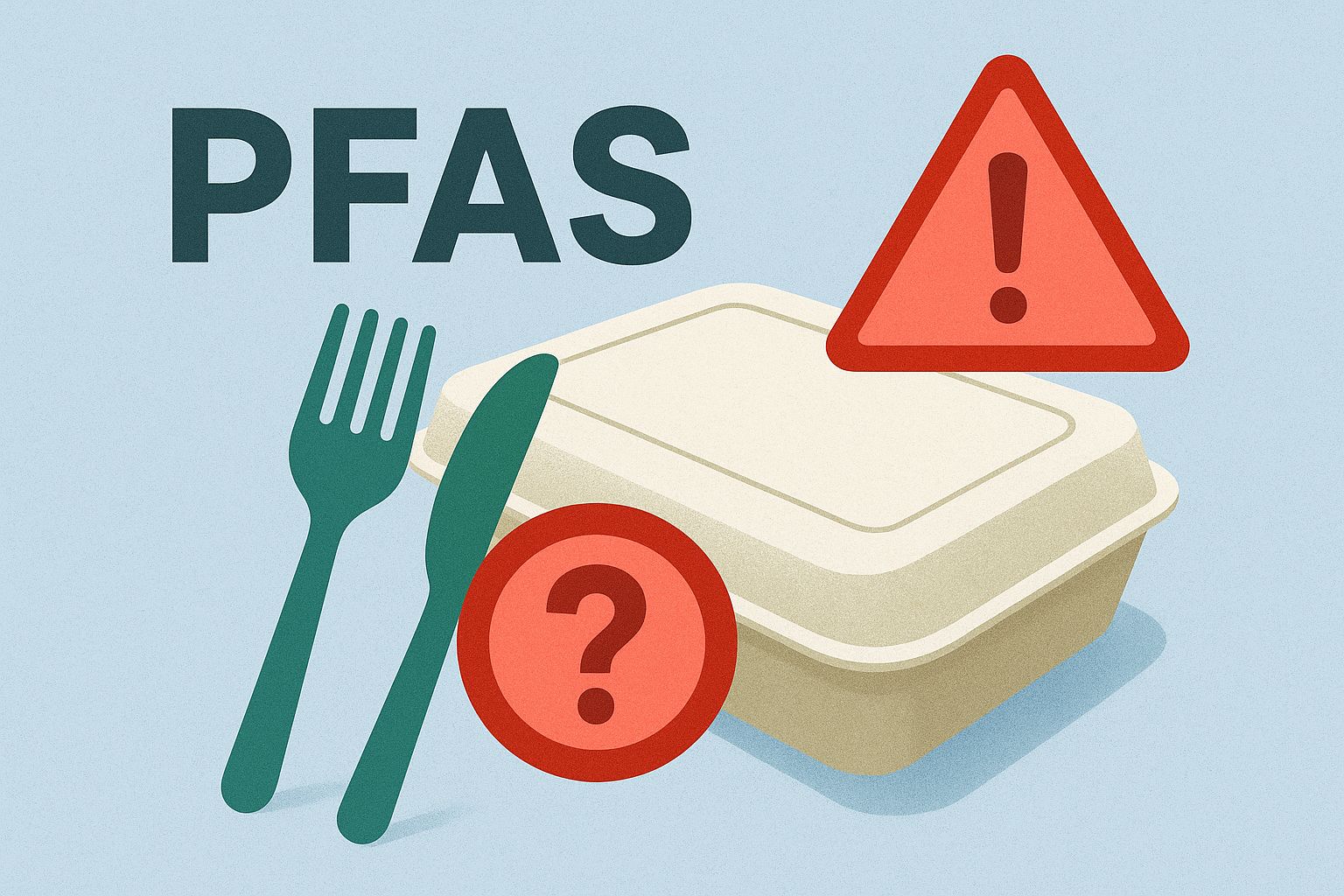
India Moves to Restrict PFAS and BPA in Food Packaging 🇮🇳
The Food Safety and Standards Authority of India (FSSAI) has proposed a ban on the use of bisphenol A (BPA) and per‑ and polyfluoroalkyl substances (PFAS) in food-contact materials.
The Food Safety and Standards Authority of India (FSSAI) has proposed a ban on the use of bisphenol A (BPA) and per‑ and polyfluoroalkyl substances (PFAS) in food-contact materials.
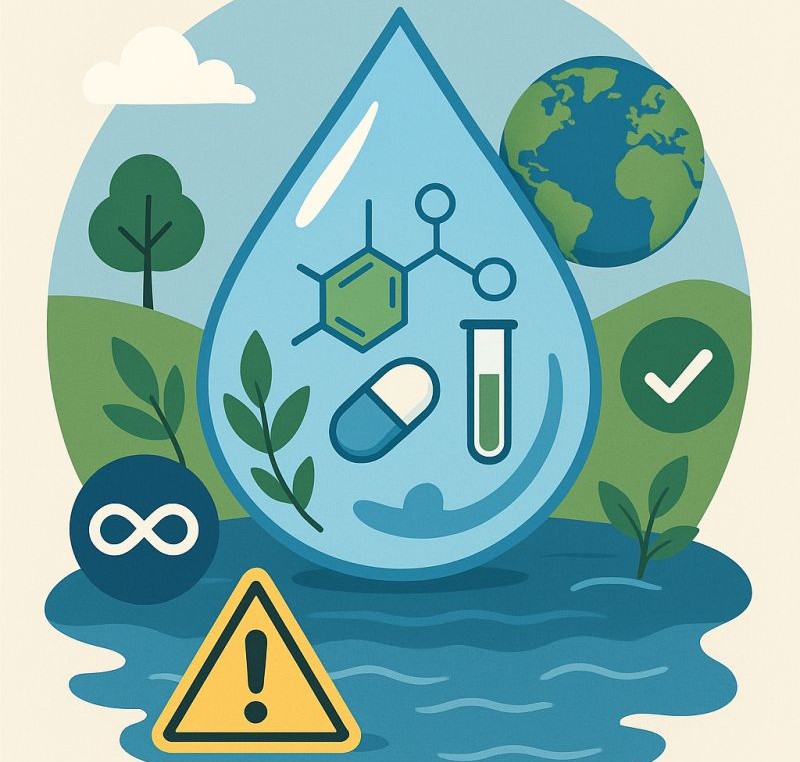
🇪🇺 On September 23, 2025, the Council of the European Union and the European Parliament reached a provisional agreement to “update environmental quality standards for a number of pollutants and add new ones, aligning the EU’s water policy with the latest scientific evidence”.

A new investigation reveals alarmingly high concentrations of PFAS (“forever chemicals”) in groundwater and surface waters at 17 airports across England.
A Major Step for Environmental Protection in France 🇫🇷 On February 20th, 2025, the French National Assembly passed a groundbreaking law aimed at protecting the population from the risks associated with per- and polyfluoroalkyl substances (PFAS), also known as “forever chemicals.
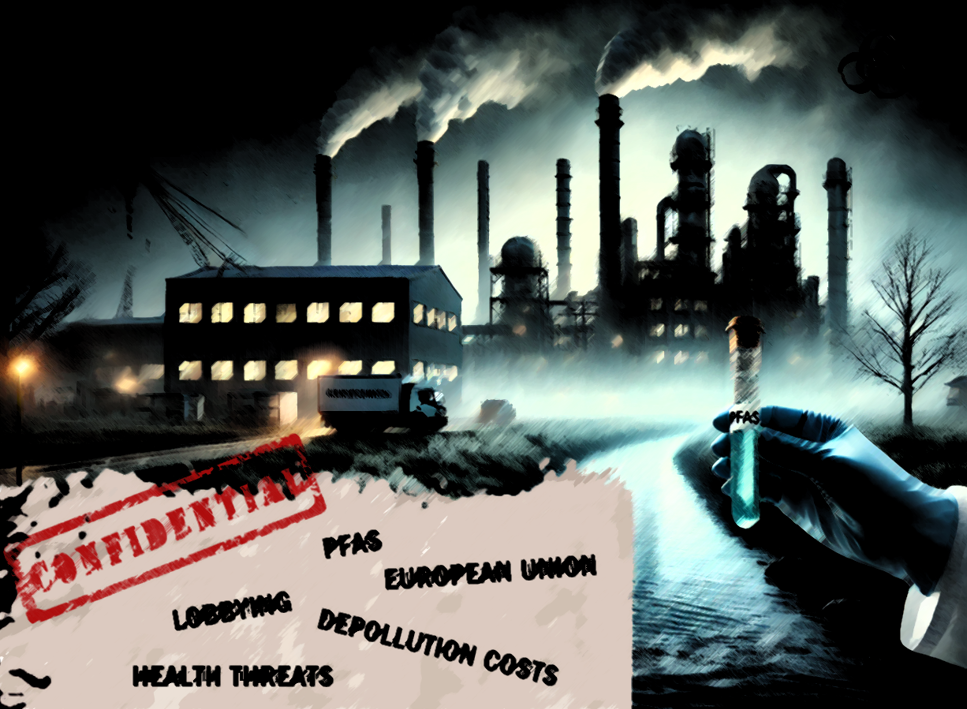
🧪 PFAS, the Eternal Pollutants PFAS (per- and polyfluoroalkyl substances) are synthetic chemicals that persist in the environment and accumulate in living organisms.
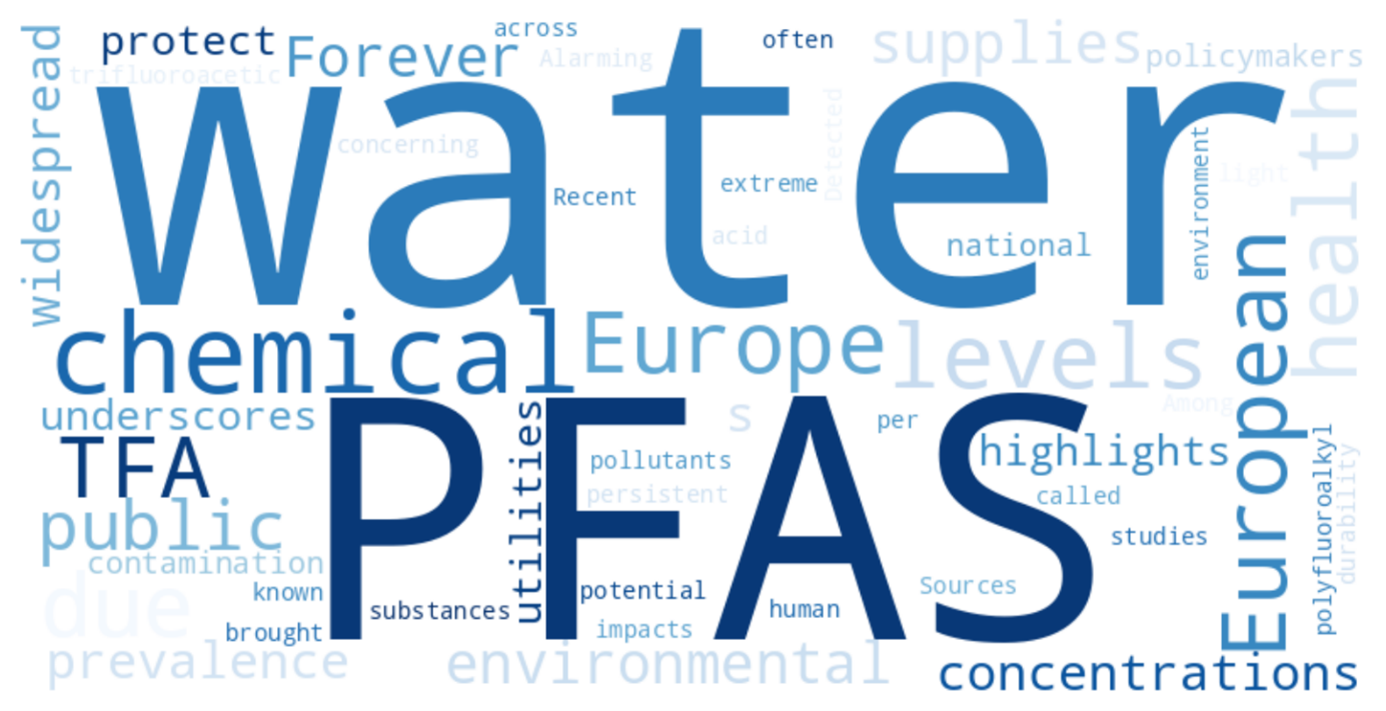
🔬 Recent studies have highlighted concerning levels of per- and polyfluoroalkyl substances (PFAS), often called “forever chemicals,” in water supplies across Europe.
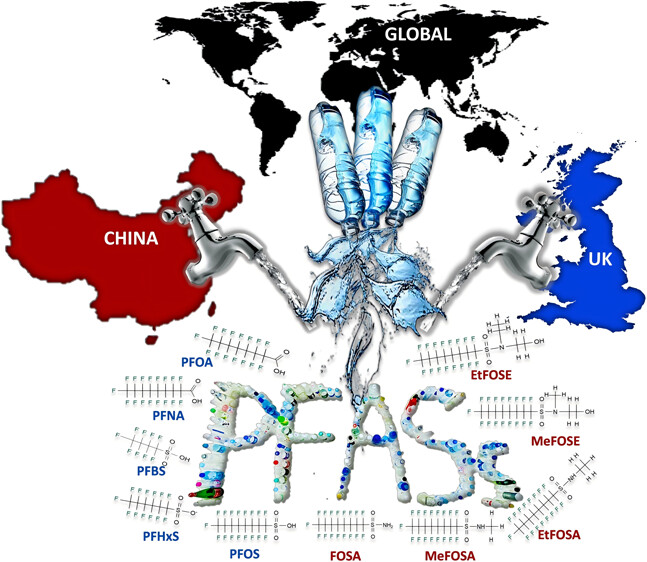
A groundbreaking study published on October 17, 2024 and led by research teams from the University of Birmingham and Shenzhen University, under the direction of Stuart Harrad and Yi Zhen, has revealed alarming levels of PFAS (per- and polyfluoroalkyl substances), often called “forever chemicals,” in bottled and tap water worldwide.
TO LISTEN 🔈- A good summary of the PFAS issue with this podcast: their history, the cover-ups, the environmental and public health impacts… Behind this “revolution” lies a complex and unsavoury history…
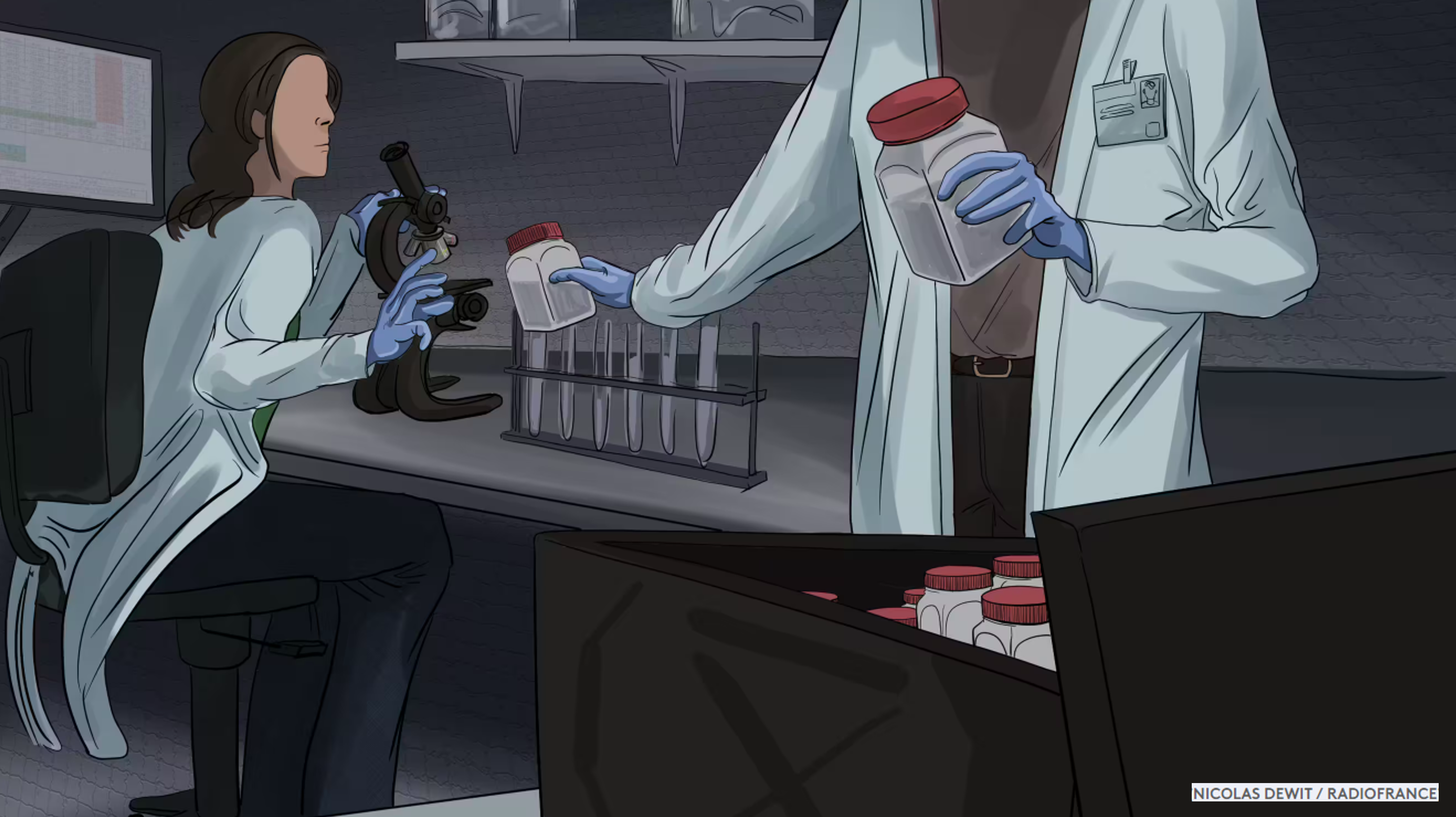
📍France Info has just published a map of PFAS contamination in 89 tap water samples taken in France. But the 20 molecules analyzed represent only the tip of the iceberg, a small fraction of the total number of existing compounds.
Copyright © 2022 - 2025, CASC4DE; all rights reserved.
| Privacy Notice | Legal NoticesPowered by CASC4DE.