




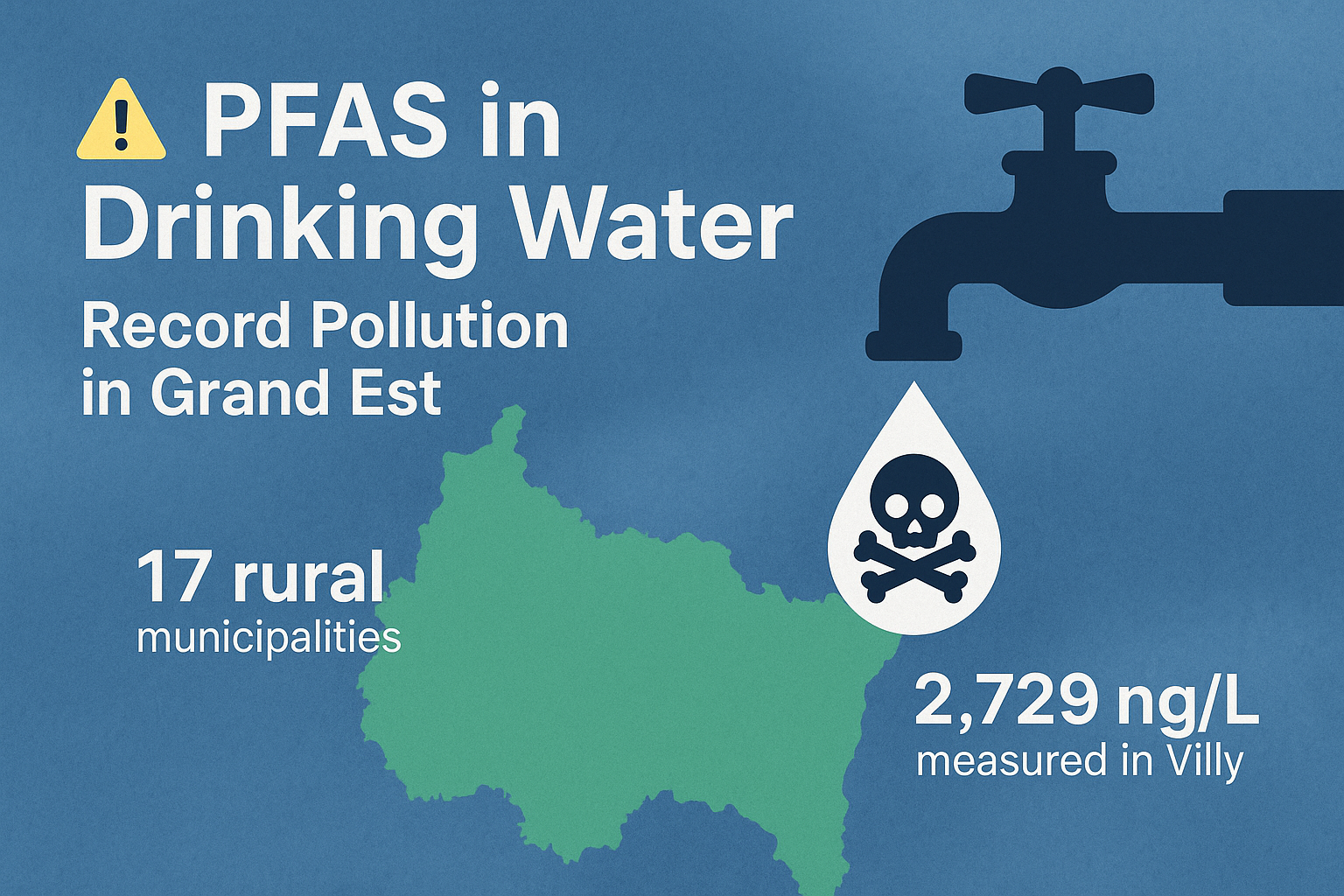
⚠️ PFAS in Drinking Water: Record Pollution Levels in France's Grand Est Region
An unprecedented case of water pollution has been detected in 17 rural municipalities across the Ardennes and Meuse departments in northeastern France.
An unprecedented case of water pollution has been detected in 17 rural municipalities across the Ardennes and Meuse departments in northeastern France.

In Dalton, Georgia — known as the “Carpet Capital of the World” 🧶 — a silent crisis is unfolding. Residents have discovered alarmingly high levels of PFAS (per- and polyfluoroalkyl substances), the so-called “forever chemicals” 🧪, in their water 💦 and environment 🌱.

The latest report from Générations Futures (June 2025) reveals alarming levels of PFAS contamination in everyday food products across Europe — raising serious concerns about current regulatory thresholds.
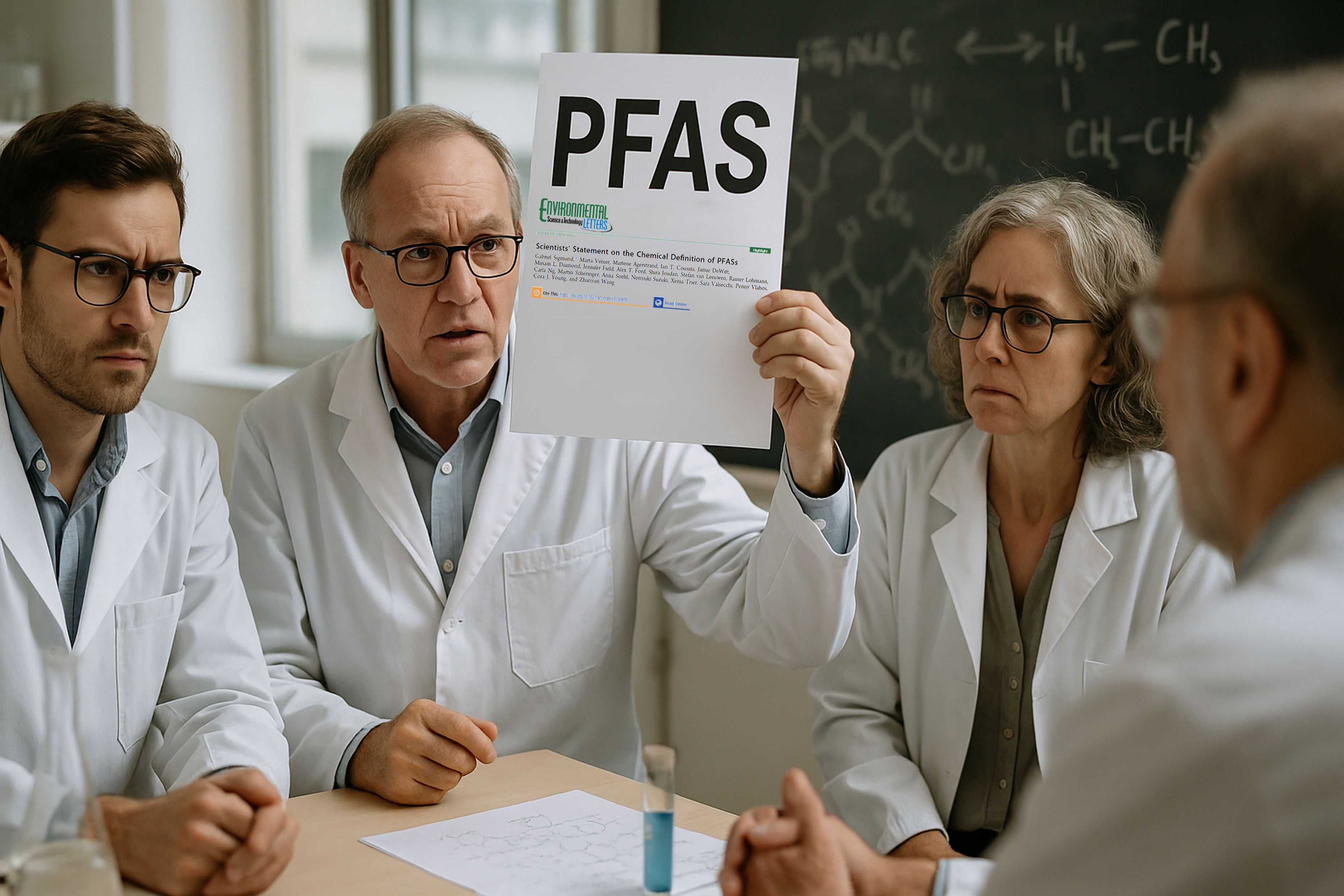
A group of 20 internationally recognized scientists has raised a red flag 🛑 over recent efforts to narrow the definition of PFAS (per- and polyfluoroalkyl substances).
A recent scientific study has raised new concerns about the presence of PFAS—often called “forever chemicals”—in one of the world’s most popular beverages: beer.
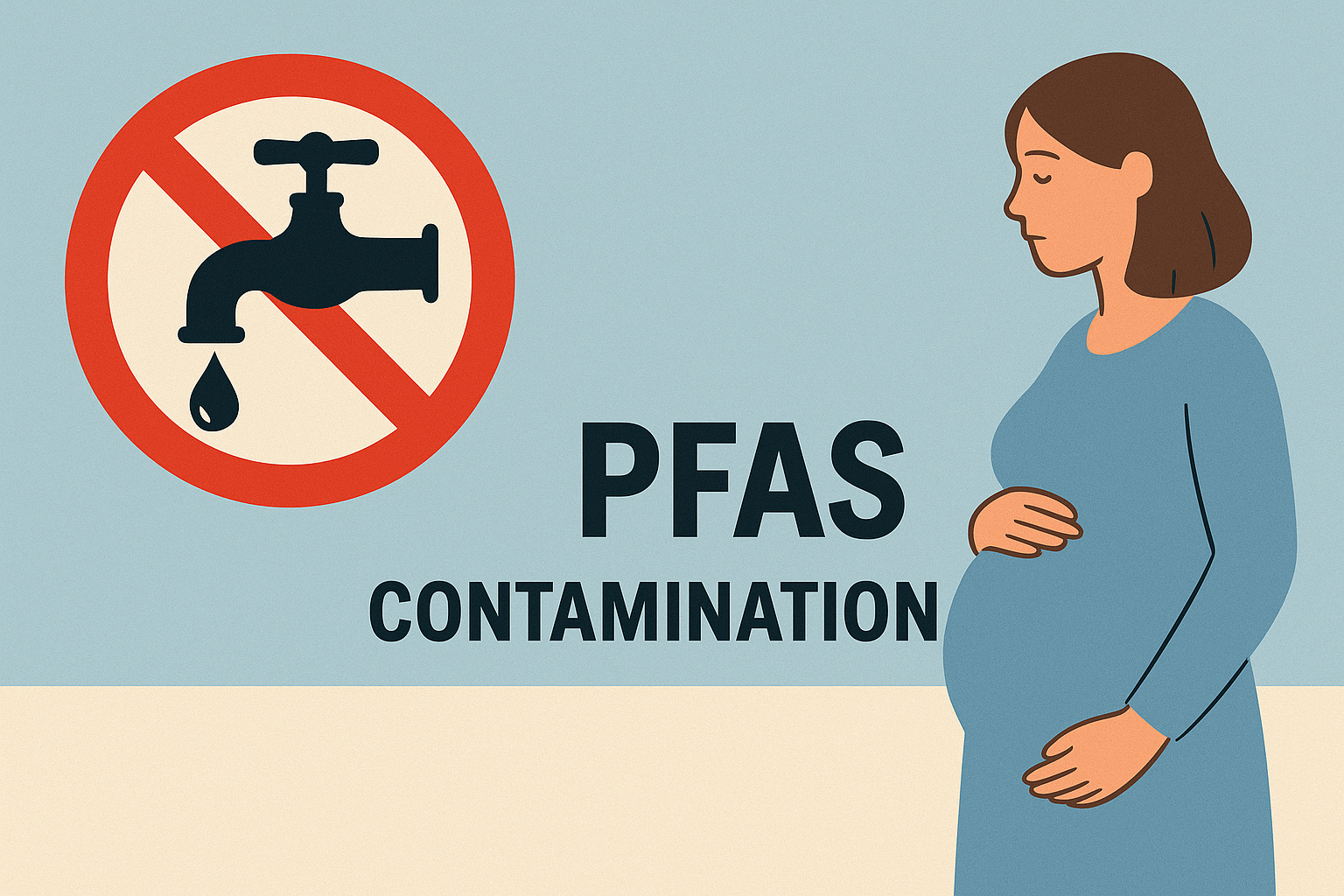
Saint-Louis Agglomération, Haut-Rhin – April 25, 2025 – In a landmark public health decision, the prefect of Haut-Rhin has officially banned the consumption of tap water for vulnerable individuals in 11 municipalities surrounding the Basel-Mulhouse EuroAirport, due to high levels of PFAS contamination — persistent pollutants often dubbed “forever chemicals”.
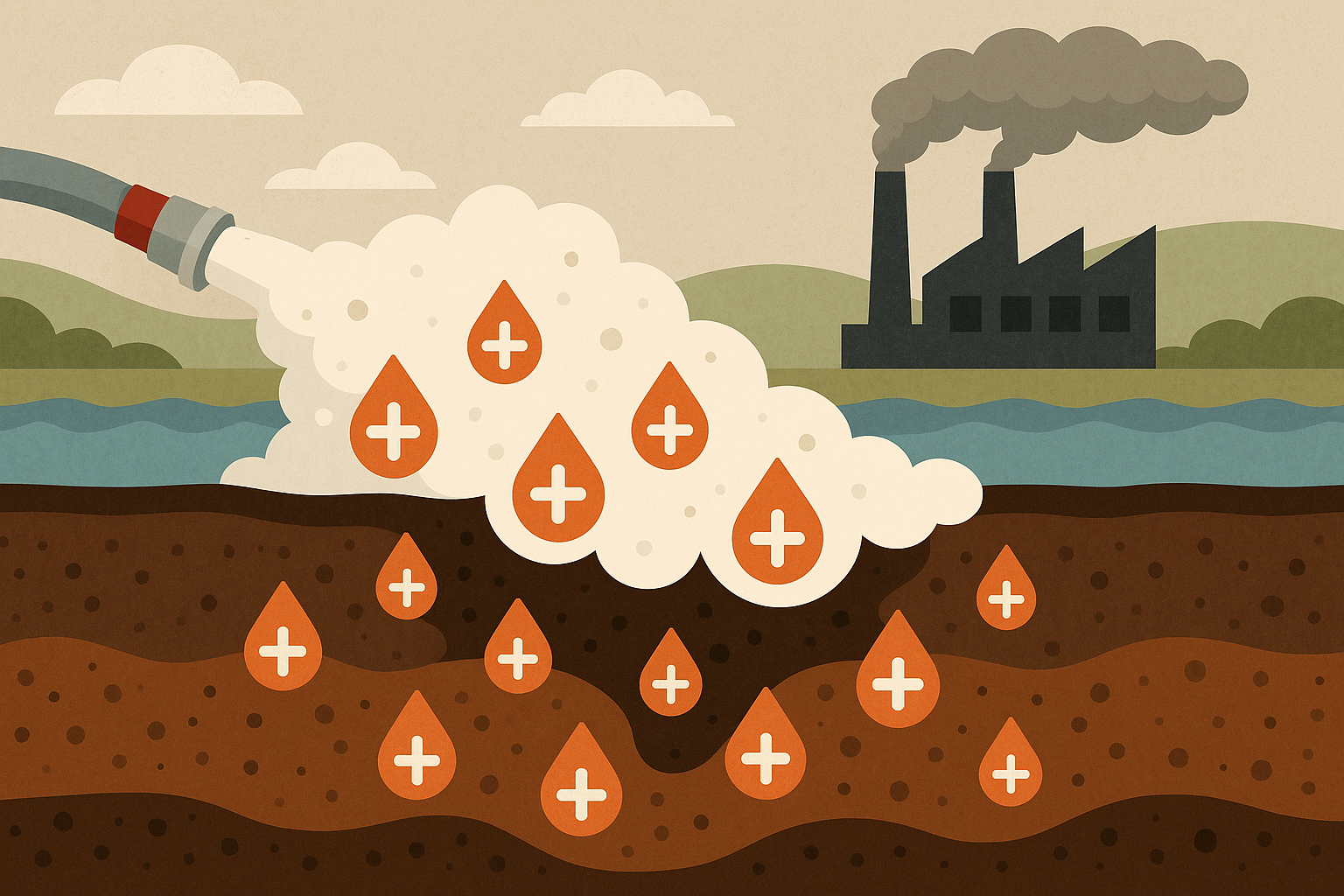
A Deep Dive into the INERIS Report on Firefighting Foam Contamination In December 2024, INERIS (France’s National Institute for Industrial Environment and Risks) published a comprehensive study examining PFAS contamination at two highly impacted sites:

Per- and polyfluoroalkyl substances (PFAS) are ubiquitous—in our water, air, food packaging, cosmetics, and even inside our bodies. These chemicals, prized for their non-stick and waterproof qualities, have become notorious for their extreme persistence in the environment and their potential to cause adverse health effects.
Per- and polyfluoroalkyl substances (PFAS), often dubbed “forever chemicals” due to their extreme persistence in the environment, are now found in our drinking water supplies and the implications are alarming.
Per- and polyfluoroalkyl substances (PFAS) have earned the nickname “forever chemicals” due to their persistence in the environment and potential adverse impacts on human health.
Copyright © 2022 - 2025, CASC4DE; all rights reserved.
| Privacy Notice | Legal NoticesPowered by CASC4DE.